Professional Tree Removal Services: Safe and Efficient Solutions for Your Property
Professional tree removal services play an essential role in upholding the health and safety of residential properties. Trees can pose substantial risks when they become overgrown or compromised. Homeowners frequently overlook these hazards, leading to potential damage to their landscape and structures. Understanding when to seek professional assistance is important. This article will examine key aspects of tree removal, including the evaluation process and the benefits of hiring specialists. The insights may surprise many.
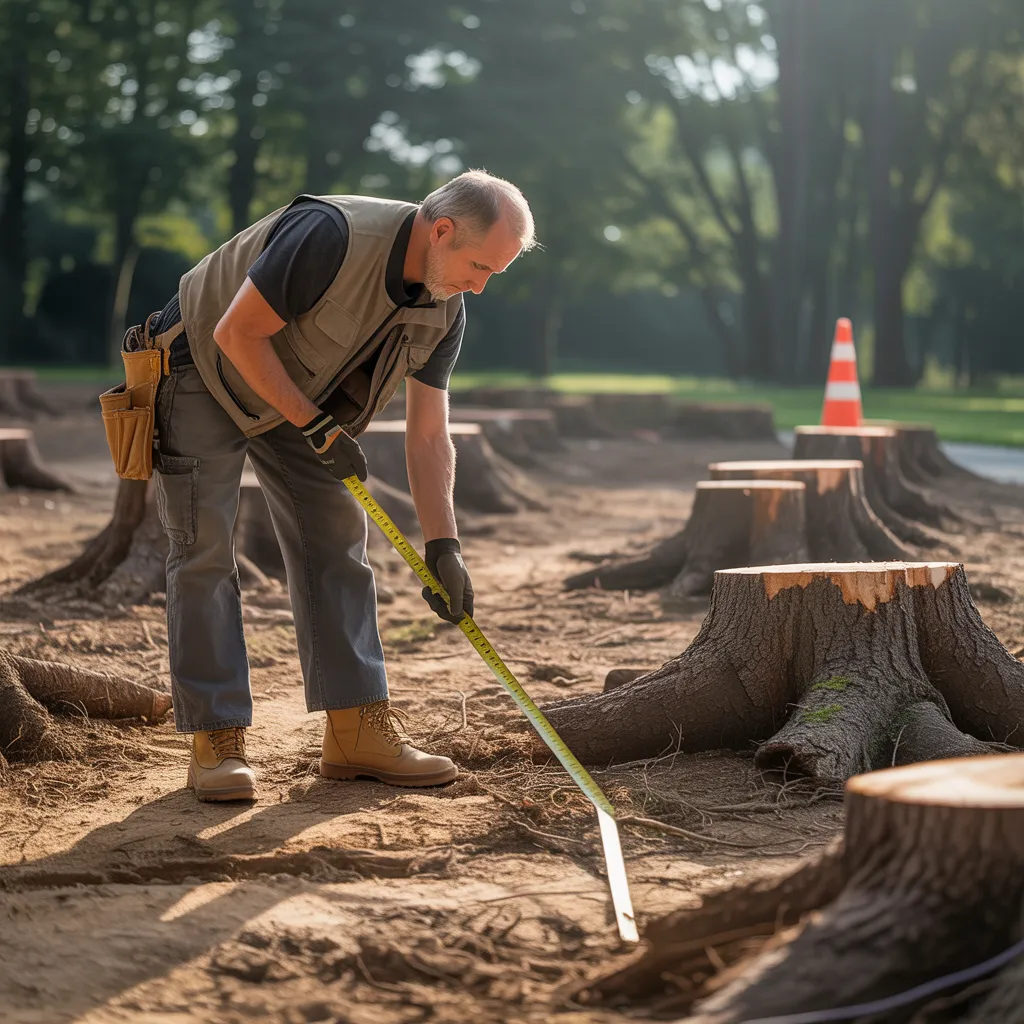
Why Professional Tree Removal Matters
Tree removal is a vital service that secures safety and boosts the health of the surrounding landscape. Overgrown or damaged trees can present substantial risks to both property and individuals. Dead or unstable trees are likely to fall during storms, potentially leading to injury or property damage. Professional tree removal services guarantee that these hazards are managed promptly and effectively.
Additionally, eliminating trees can increase sunlight availability for remaining plants, fostering healthier growth in gardens and landscapes. This procedure can also assist in prevent the spread of diseases and pests that may harm nearby flora. Professional arborists have the expertise and tools essential to evaluate the situation properly, guaranteeing that tree removal is carried out without incident and efficiently. By hiring experienced professionals, property owners can sustain the overall aesthetics and functionality of their outdoor spaces while minimizing risks connected to tree hazards. Allocating resources for professional tree removal is critical for long-term landscape health and safety.
Examining Tree Health: When to Contact the Experts
Evaluating the health of trees is an crucial step in maintaining a safe and thriving landscape. Homeowners should regularly inspect their trees for indicators of stress, such as wilting leaves, abnormal growth patterns, or visible decay. Elements like pests, diseases, and environmental challenges can greatly impact a tree's vitality. If a tree displays noticeable leaning, exposed roots, or dead branches, it may pose a safety hazard and require professional evaluation.
Contacting tree experts can provide a detailed analysis of tree health, uncovering issues that may not be readily apparent. Experts use specialized knowledge and tools to examine root systems, bark conditions, and overall structural integrity. Furthermore, they can recommend appropriate actions, whether it be treatment or removal. Timely intervention is crucial to avoid further damage to the tree or surrounding landscape, guaranteeing the safety and aesthetic appeal of the property.
Advantages of Employing Trained Tree Removal Professionals
When homeowners face the difficult decision of removing a tree, hiring trained tree removal specialists can confirm the process is completed safely and efficiently. These professionals hold the necessary expertise to examine the situation, deciding on the best approach for removal while minimizing risks to surrounding structures and landscapes. Their training assures they are knowledgeable about safety protocols, which considerably reduces the probability of accidents or damage during the process.
In addition, trained specialists come equipped with the appropriate tools and equipment, which are vital for successful tree removal. This not only boosts the speed of the job but also ensures a clean and thorough job. Furthermore, hiring experts can result in proper explanation disposal of tree debris, alleviating the burden on homeowners to manage the aftermath. Overall, investing in trained tree removal specialists provides peace of mind and protects both the property and its occupants.
The Tree Removal Process: What to Expect
Hiring trained tree removal specialists creates the foundation for a well-structured and organized approach to the removal process. At the outset, the specialists perform a detailed assessment of the tree and its environment, identifying the safest and most effective method for removal. They evaluate factors such as tree health, proximity to structures, and potential hazards.
When the evaluation is done, the team formulates a comprehensive plan. This may include securing the area, using proper equipment, and applying techniques like sectional felling or crane removal for bigger trees. The main removal process consists of cutting the tree down in a careful manner, verifying that it falls in the intended direction.
After removal, the specialists will typically remove debris and grind the stump, leaving the area neat. Open communication throughout the process keeps property owners updated, ensuring that expectations are achieved and safety remains a primary concern. This professional approach reduces risks and disruption to the surrounding property.
Maintaining Your Landscape: Aftercare and Maintenance Tips
Effective landscape conservation subsequent to tree removal necessitates meticulous attention to ongoing care. To begin, it's essential to examine the soil quality in the area where the tree was located. Improving the soil with organic matter can support healthy growth for new plants. Routine watering is necessary, especially during dry spells, to sustain the remaining vegetation.
Following this, checking the area for any indications of pests or disease will help preserve the health of the landscape. Applying mulch can help preserve moisture, control weeds, and improve the aesthetic appeal of the space. Additionally, planting new trees or shrubs can cover gaps, provide shade, and restore the ecosystem.
Regularly inspecting the landscape for any issues or changes will facilitate timely intervention. Hiring professional landscaping services for ongoing maintenance can also ensure that the area remains lively and thriving, ultimately safeguarding the integrity of the property's overall landscape.
Questions & Answers
What Does Professional Tree Removal Typically Cost?
Skilled tree removal usually costs between $200 to $2,000, depending on variables such as tree size, location, and complexity of the job. Additional services, like stump grinding, may lead to additional charges as well.
Is a Permit Required for Tree Removal?
The requirement for a permit for tree removal varies by location. Typically, homeowners should review local regulations or consult with municipal authorities to determine if a permit is mandatory before moving forward with tree removal.
What Kinds of Trees Require Specialized Removal Methods?
Specific trees, such as large or unstable specimens, those close to power lines, or species with aggressive root systems need specialized removal procedures. In addition, trees impacted by disease or pests may need careful handling to avoid spreading.
Can Tree Removal Services Handle Emergency Situations?
Tree removal services are equipped to handle emergency situations, employing qualified specialists and professional tools to carefully extract hazardous trees. Their prompt response guarantees reduced damage to structures and boosts safety within adjacent spaces.
How Much Time Does Tree Removal Typically Take?
The tree removal process typically takes a few hours to a full day, according to the tree's size, location, and complexity of the job. Elements such as weather conditions can also affect the timeframe needed.